There’s something oddly comforting about walking into a space where every detail feels… intentional. Not perfect, not showroom-polished, but cared for. Corners—yes, those overlooked edges where walls meet or where tile ends—tend to say a lot about how a home is lived in. Maybe that sounds dramatic, but think about the last time you brushed by a doorway and felt the paint chip under your bag. Or when your pet took a little too sharp of a turn and scuffed the wall. Those small marks add up, quietly reminding you that your home is tougher on its corners than you realize.
I used to ignore them. Corners felt like the last thing I should care about—until one day I noticed how worn those edges really were. Suddenly I couldn’t unsee them. Little dents. Peeling paint. The faint imprint of chair legs nudging the wall one too many times. If your home sees kids running laps or furniture being rearranged more often than you’d like to admit, those corners take a beating.
And that brings me to something surprisingly simple yet seriously underrated: corner protection.
A lot of homeowners think corner guards are only for offices, hospitals, or airy modern lofts with too many straight lines. I thought that once too. But once you start paying attention, you begin to see how many interiors rely on them to look clean, effortless, and well-kept. The funny thing is, these small additions don’t scream for attention, but they quietly do their job day in and day out. And when you finally get around to installing them, the first thought is usually, “Why didn’t I do this sooner?”
Some folks lean toward decorative wood trim or rubber bumpers, but if you want something that looks sharp and handles rough treatment, stainless steel is hard to beat. That’s where ss corner guards come into play—not flashy, not complicated, just practical toughness wrapped in a clean, modern finish. They blend in more than you’d expect, especially if your décor leans toward contemporary, industrial, or even minimalist. And they age gracefully, which is more than I can say for most wall paint.
If you’re doing a remodel, especially in kitchens or bathrooms, corners get even trickier. Tile brings beauty and structure, but it also creates exposed edges that can chip or crack over time. If you’ve ever installed tile yourself, you know the corners are often where the stress happens: the place where your grout line doesn’t quite cooperate or where your tile saw cuts just a bit unevenly.
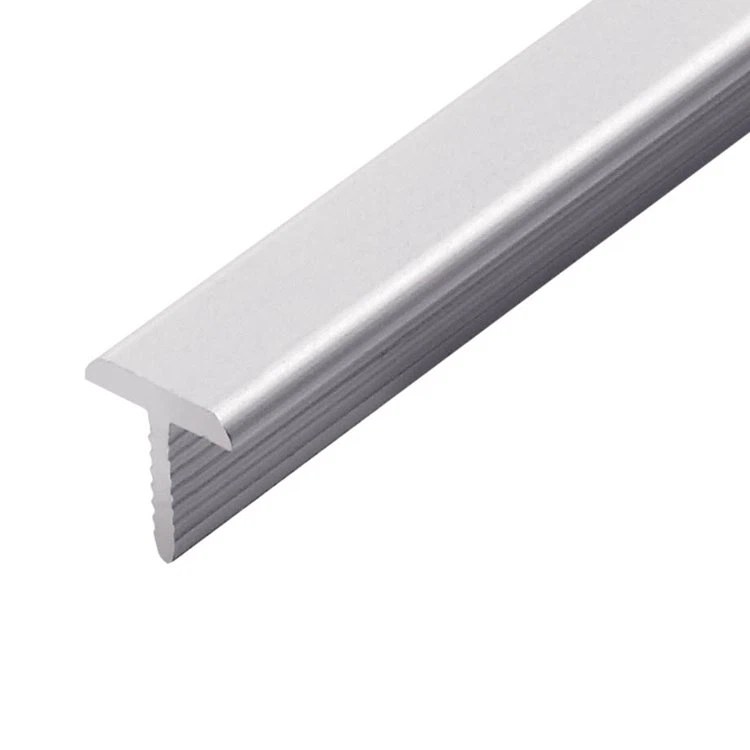
That’s where tile corner trim quietly saves the day. Instead of trying to finesse a flawless edge (which even pros admit is tough), trim gives you a clean line that feels intentional. It’s a little like finishing a sentence properly—you don’t really notice good punctuation, but you definitely notice when it’s missing. And in a bathroom or kitchen, that sense of finish makes the whole space feel more polished.
What I appreciate about these small architectural helpers—whether in stainless steel, aluminum, PVC, or tile-specific materials—is that they solve everyday problems without turning into big design statements. Corners are vulnerable by nature; they jut out, they get bumped, they get leaned on. Trim and guards add structure where the home needs reinforcement.
And if you’re the kind of person who likes things to stay looking good for years, this is one upgrade that quietly pays for itself. Repainting edges every six months? No, thanks. Fixing a cracked tile corner? Absolutely not. Protecting the surface ahead of time? Now that’s the kind of stuff future-you appreciates.
There’s also something oddly satisfying about seeing clean, crisp corner lines. It gives a sense of order without feeling sterile. Even in an older home—especially in an older home—these little touch-ups can make a space feel refreshed without doing a full renovation. I’ve walked into houses built decades ago where the owners added subtle metal corner trims, and the effect was surprisingly warm, like the home had gotten a thoughtful tune-up rather than a dramatic makeover.
Sometimes it’s the details that don’t call attention to themselves that end up making the strongest impression.
Of course, choosing the right style matters. Stainless steel gives you that modern, durable feel. Wood adds warmth. PVC works if you’re on a budget or need something flexible. For tile, matching the finish—matte, polished, brushed—can make the entire installation look seamless. It’s worth taking a moment to think about what suits your space instead of grabbing whatever looks cheapest online. Corners, small as they are, shape the flow of a room more than people realize.
And the installation? Not nearly as intimidating as it sounds. Even the less-handy homeowners can usually manage it with a few basic tools. A dab of adhesive here, a proper measurement there, and suddenly the room looks a little more “put together.” It’s the kind of improvement that feels quick but meaningful, like when you finally hang that art piece that’s been leaning against the wall for two months.
If you’re on the fence about whether your home needs corner guards or tile trim, try this: walk around your space with new eyes. Look at the junctions, the edges, the places where the paint wears thin. Notice how often corners catch the little impacts of daily life. See whether the tile edges look a bit unfinished or vulnerable. You’ll probably start spotting opportunities for subtle upgrades everywhere—but in a good way.
Because when you improve these tiny structural elements, you’re not just protecting surfaces; you’re making your home feel more intentional, more cared for, more “lived in but loved.”
At the end of the day, corners tell a story. They show the motion of everyday life—kids rushing past, groceries bumped against the wall, suitcases dragged a little clumsily around tight hallways. Protecting them isn’t about perfection; it’s about resilience. It’s about choosing longevity over quick fixes and making small decisions that quietly enhance the way your home ages.

 Site Title
Leave a comment